


Choosing the right business signage is an important branding decision. Your sign is often the first thing customers notice before entering your premises, making it an essential part of your company's visual identity. Among the many options available today, Acrylic Signs have gained popularity because they combine a premium appearance with durability. But how do they compare with traditional signboards?
Traditional signboards have long served businesses across industries. They are commonly made from painted metal, plywood, flex materials, or composite panels. While these options remain useful in many situations, acrylic signs provide several advantages for businesses seeking a modern and sophisticated appearance.
One of the most noticeable differences is aesthetics. Acrylic has a smooth, glossy surface that creates a clean and contemporary look. Whether used for office reception areas, retail stores, clinics, or corporate buildings, acrylic signage often communicates professionalism and attention to detail.
Traditional signboards may still be suitable for certain outdoor advertising applications, particularly when large-format visibility is the primary objective. However, businesses aiming to strengthen their brand image frequently choose acrylic because of its refined finish.
Common applications for acrylic signs include:
- Office reception displays
- Corporate logos
- Directional signage
- Retail branding
- Hotel name boards
- Clinic signboards
- Educational institutions
- Exhibition displays
Durability is another key consideration. Acrylic resists moisture, fading, and general wear when manufactured using quality materials. This makes it suitable for indoor installations and selected outdoor environments where long-lasting appearance is important.
Customization is one of acrylic's strongest advantages. Businesses can choose from various thicknesses, colors, finishes, mounting styles, and laser-cut designs. Acrylic can also be combined with stainless steel, aluminum, or LED lighting to create premium branding solutions.
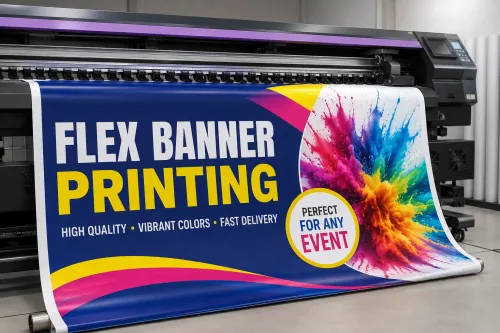
Traditional signboards often provide greater flexibility for extremely large outdoor installations where affordability is the primary concern. Flex banners and painted metal signs remain practical choices for temporary promotions or large roadside advertisements.
Maintenance requirements differ as well. Acrylic signs generally require only occasional cleaning with a soft cloth and mild cleaning solution to maintain their appearance. Painted surfaces may require periodic touch-ups depending on weather exposure.
Cost is another factor businesses should evaluate carefully. Acrylic signs usually involve a higher initial investment than basic signboards. However, their durability, premium appearance, and reduced maintenance often provide better long-term value.
Businesses in Chennai should also consider installation location. Indoor corporate environments, shopping malls, healthcare facilities, and premium retail stores often benefit from acrylic signage, while temporary outdoor campaigns may still be better suited to flex or metal signs.
Graphic Designs assists businesses in selecting signage solutions that match both branding objectives and functional requirements. By understanding the intended application, the company helps clients choose materials that deliver lasting value rather than focusing solely on initial cost.
Ultimately, there is no single solution suitable for every business. Acrylic signs offer elegance, customization, and durability, while traditional signboards continue to serve many practical advertising needs. Evaluating location, budget, branding goals, and expected lifespan will help businesses make an informed signage decision that supports long-term visibility and customer engagement.